
Winter vs Summer: How Sydney’s Seasons Affect Your Subfloor
Discover how Sydney’s winter rain & summer humidity affect your subfloor differently. Expert seasonal moisture management tips for year-round protection.
- September 24, 2025
- 9 minutes
- Sydney, NSW
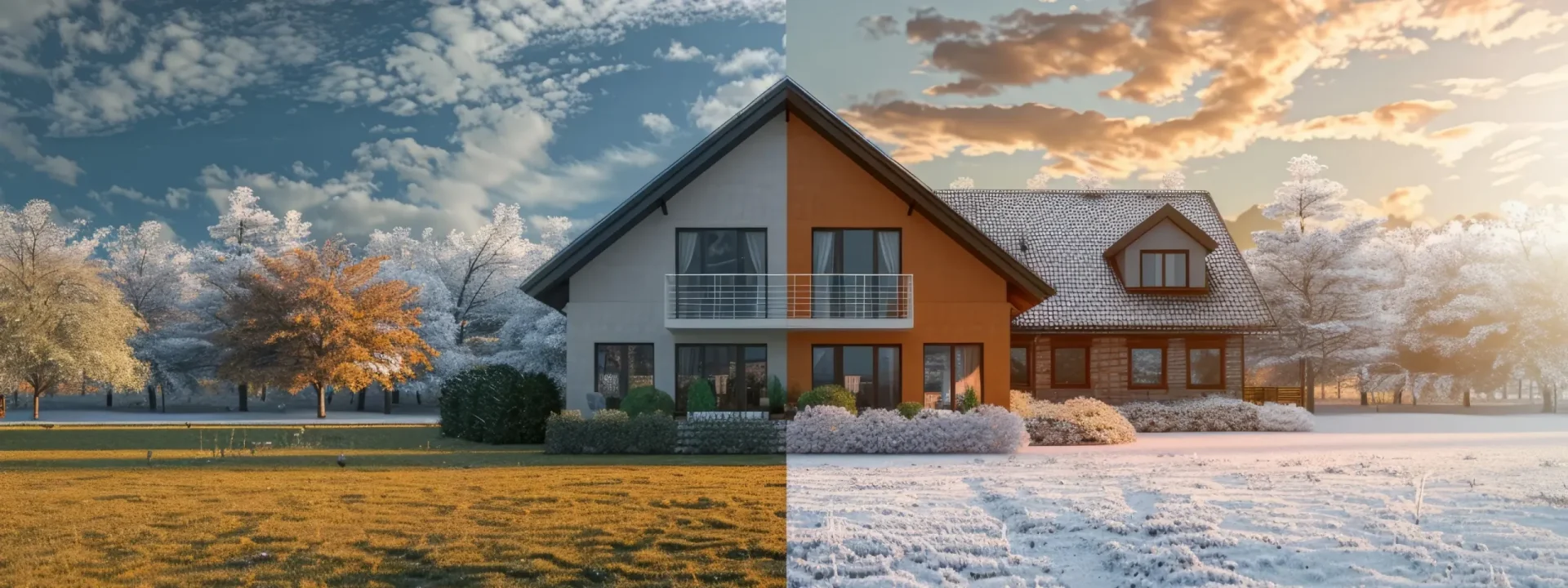
Sydney’s climate presents homeowners with a unique challenge: dramatically different seasonal moisture conditions that affect your subfloor in completely opposite ways. While many Australian cities deal with relatively consistent moisture patterns, Sydney’s subtropical coastal climate creates distinct winter and summer moisture challenges that require different management strategies.
Understanding how each season impacts your home’s subfloor environment is crucial for maintaining a healthy, comfortable living space year-round. From winter’s relentless rain driving moisture upward to summer’s oppressive humidity creating condensation problems, each season brings its own set of moisture management requirements.
Sydney’s Unique Seasonal Climate Challenge
Sydney sits in a subtropical zone where Pacific Ocean influences create distinct wet and dry seasonal patterns. Unlike the consistent climates found in other major Australian cities, Sydney homeowners must prepare for:
- Winter (June-August): High rainfall, lower temperatures, and rising damp challenges
- Summer (December-February): Extreme humidity, intense heat, and condensation issues
- Transitional periods: Rapid moisture fluctuations requiring adaptive management
This seasonal variation means your subfloor faces completely different moisture stresses throughout the year, often requiring different prevention and management strategies for optimal protection.
Winter: The Rising Damp Season
Why Winter Creates Subfloor Moisture Problems
Sydney’s winter brings substantial challenges for subfloor moisture management. The combination of increased rainfall, lower temperatures, and reduced evaporation creates perfect conditions for moisture accumulation beneath your home.
Key Winter Moisture Factors:
- Heavy Rainfall Periods Sydney’s winter rainfall averages 100-130mm per month, with some areas receiving significantly more. This sustained moisture input saturates soil around foundations and drives water toward subfloor areas through various pathways.
- Reduced Evaporation Rates Lower winter temperatures (8-17°C average) dramatically reduce natural moisture evaporation. What might dry quickly in summer conditions can persist for weeks during winter months.
- Ground Saturation Clay-heavy soils common in areas like Canterbury, Bankstown, and parts of the Inner West become saturated during extended wet periods, creating hydrostatic pressure that pushes moisture upward through foundations.
- Thermal Dynamics The temperature difference between warm indoor spaces and cold subfloor areas creates condensation conditions, especially in poorly ventilated spaces.
Common Winter Subfloor Problems
Rising Damp Acceleration Winter conditions accelerate rising damp problems in older Sydney homes. Saturated ground conditions provide continuous moisture supply, while reduced evaporation allows water to rise higher in walls and floors.
Typical winter rising damp progression:
- Week 1-2: Increased moisture readings at foundation level
- Week 3-4: Moisture begins climbing walls (up to 30cm)
- Month 2-3: Visible damage appears (salt deposits, peeling paint)
- Month 4+: Structural damage becomes apparent
Condensation Accumulation Cold subfloor surfaces meeting warm, humid air create condensation problems. This is particularly severe in:
- Concrete slab homes with inadequate vapor barriers
- Properties with gas heating systems adding indoor humidity
- Homes with poor subfloor ventilation systems
Mould Growth Acceleration Winter’s combination of moisture and moderate temperatures (not too hot, not too cold) creates ideal conditions for mould growth. Subfloor areas become breeding grounds for various mould species that can affect indoor air quality.
Drainage System Overload Many Sydney properties have inadequate drainage systems that become overwhelmed during winter storms. This leads to:
- Standing water around foundations
- Saturated soil conditions persisting for weeks
- Increased hydrostatic pressure on foundation walls
Winter-Specific Solutions
Enhanced Drainage Management Winter preparation should focus on managing surface water effectively:
- Clean gutters and downpipes before winter season
- Ensure drainage directs water away from foundations
- Install additional drainage where needed for problem areas
- Regular inspection during heavy rain periods
Subfloor Ventilation Optimization Winter ventilation requirements differ significantly from summer needs:
- Increase air circulation to combat condensation
- Use humidity-controlled ventilation systems
- Ensure adequate air exchange rates despite closed windows
- Consider supplemental dehumidification during extended wet periods
Preventive Moisture Barriers Winter is the ideal time to install or upgrade moisture barriers:
- Chemical damp-proof courses work more effectively in cooler conditions
- Membrane installations cure properly in moderate temperatures
- Less disruption to indoor comfort during installation periods
Summer: The Humidity and Condensation Challenge
Why Summer Creates Different Subfloor Issues
Sydney summers present the opposite challenge: extreme humidity and heat creating condensation and thermal stress problems. Average summer temperatures of 19-26°C combined with humidity levels often exceeding 70% create unique subfloor moisture dynamics.
Key Summer Moisture Factors:
- High Humidity Levels Sydney’s coastal location means summer humidity regularly reaches 60-80%, with some periods exceeding 90%. This moisture-laden air seeks cooler surfaces to condense on, often finding them in subfloor areas.
- Extreme Temperature Variations Daily temperature swings from 35°C+ during the day to 20°C at night create rapid expansion and contraction cycles that can compromise moisture barriers and create new penetration points.
- Thermal Bridge Effects Concrete slabs and steel structural elements become thermal bridges, creating cold spots where condensation readily forms during humid summer conditions.
- Air Conditioning Impacts Cooling systems create temperature differentials that can exacerbate condensation problems, particularly around ductwork and in transitional spaces between conditioned and unconditioned areas.
Common Summer Subfloor Problems
Condensation Formation Summer’s high humidity meeting cooler subfloor surfaces creates significant condensation challenges:
Typical condensation problem areas:
- Concrete slabs and footings
- Metal structural elements (steel beams, posts)
- Ductwork and mechanical systems
- Areas with poor air circulation
Thermal Expansion Issues Summer heat causes building materials to expand, potentially:
- Creating gaps in moisture barriers
- Stressing waterproof membranes
- Opening new pathways for moisture penetration
- Affecting the performance of existing ventilation systems
Humidity-Driven Mould Growth While winter provides moisture, summer provides the heat that accelerates mould growth. The combination of residual winter moisture and summer heat creates explosive mould growth conditions.
HVAC System Strain Air conditioning systems working overtime during summer can:
- Create condensation around ductwork
- Overwhelm drainage systems with condensate
- Create pressure imbalances affecting subfloor air circulation
- Increase overall humidity loads if not properly maintained
Summer-Specific Solutions
Dehumidification Systems Summer moisture control often requires active dehumidification:
- Whole-home dehumidification systems for severe cases
- Targeted dehumidification for problem areas
- Integration with existing HVAC systems
- Smart controls responding to humidity levels
Enhanced Air Circulation Summer ventilation focuses on moving humid air before condensation occurs:
- Increased fan speeds during high humidity periods
- Strategic placement of exhaust points at condensation-prone areas
- Heat recovery systems to maintain energy efficiency
- Automated controls responding to temperature and humidity changes
Thermal Management Addressing thermal bridge effects reduces condensation formation:
- Insulation improvements around thermal bridges
- Reflective barriers to reduce heat gain
- Strategic shading of critical areas
- Thermal breaks in structural connections
Seasonal Transition Periods: The Hidden Challenge
Why Transition Periods Are Critical
The periods between Sydney’s distinct seasons often present the greatest challenges for subfloor moisture management. Rapid changes in temperature and humidity can overwhelm static systems designed for steady-state conditions.
Autumn Challenges (March-May)
- Residual summer humidity meets cooling temperatures
- Early winter rains on still-warm surfaces
- HVAC system adjustments creating pressure changes
- Mould growth acceleration as conditions become ideal
Spring Challenges (September-November)
- Winter-saturated materials meeting warming temperatures
- Increased evaporation creating humidity spikes
- Building materials expanding after winter contraction
- Ventilation system adjustments for changing conditions
Adaptive Management Strategies
Smart Monitoring Systems Modern moisture management includes adaptive systems that respond to changing conditions:
- Humidity and temperature sensors triggering automatic adjustments
- Weather-responsive ventilation controls
- Predictive systems that anticipate seasonal changes
- Remote monitoring for proactive maintenance
Seasonal Maintenance Protocols Professional maintenance timed to seasonal transitions:
- Pre-winter system optimization and drainage checks
- Post-winter damage assessment and repairs
- Pre-summer condensation prevention measures
- Post-summer system evaluation and improvements
Suburb-Specific Seasonal Patterns
Different Sydney suburbs experience seasonal moisture challenges in unique ways based on geography, soil type, and housing characteristics.
Coastal Suburbs (Bondi, Manly, Cronulla)
Winter: Salt-laden rain creating corrosion issues Summer: Extreme humidity from ocean proximity Transition: Rapid salt buildup requiring frequent maintenance
Inner West (Leichhardt, Balmain, Marrickville)
Winter: Clay soil saturation creating rising damp Summer: Heat island effects intensifying humidity problems Transition: Heritage building responses to temperature changes
Hills Districts (Castle Hill, Baulkham Hills)
Winter: Elevation effects creating unique drainage challenges Summer: Temperature extremes affecting building materials Transition: Microclimate variations requiring localized solutions
Southwest Sydney (Liverpool, Campbelltown)
Winter: Flat terrain creating drainage and pooling issues Summer: Extreme heat affecting concrete slab performance Transition: Clay soil movement affecting foundation stability
Technology Solutions for Seasonal Management
Smart Ventilation Systems
Modern subfloor ventilation systems can automatically adjust to seasonal conditions:
Winter Mode Settings:
- Increased air exchange rates to prevent condensation
- Humidity-triggered activation during wet periods
- Temperature compensation for reduced natural ventilation
- Integration with heating systems to maintain efficiency
Summer Mode Settings:
- Dehumidification priority during high humidity periods
- Temperature-controlled operation to prevent overheating
- Integration with cooling systems for whole-home comfort
- Energy-efficient operation during peak demand periods
Monitoring and Control Systems
Professional moisture management increasingly relies on technology:
- Real-time moisture monitoring with smartphone alerts
- Weather integration for predictive adjustments
- Historical data analysis for optimizing seasonal performance
- Remote diagnostics for proactive maintenance
Seasonal Preparation Checklists
Pre-Winter Preparation (April-May)
Exterior Inspections:
- Clean and repair gutters and downpipes
- Check and improve site drainage
- Inspect and seal foundation cracks
- Test sump pumps and drainage systems
Interior Systems:
- Service and optimize ventilation systems
- Check humidity control settings
- Inspect moisture barriers for damage
- Test monitoring systems and alarms
Pre-Summer Preparation (October-November)
Condensation Prevention:
- Inspect and improve insulation around thermal bridges
- Service dehumidification systems
- Check HVAC condensate drainage
- Optimize ventilation for humidity control
System Optimization:
- Adjust ventilation settings for summer conditions
- Test smart controls and sensors
- Inspect for winter damage requiring repair
- Upgrade systems based on winter performance
The Cost of Seasonal Neglect
Understanding seasonal moisture dynamics isn’t just about comfort – it’s about protecting your investment. Seasonal neglect can lead to:
Winter Damage Accumulation
- Rising damp advancing unchecked through extended wet periods
- Mould establishing colonies that persist year-round
- Structural damage accelerating during peak moisture periods
- Energy efficiency declining due to moisture-compromised insulation
Summer Damage Acceleration
- Condensation creating ideal conditions for rapid deterioration
- Thermal stress compromising moisture barriers
- HVAC system strain leading to premature failure
- Mould growth exploding in heat and humidity
Compounding Effects
Each season’s damage makes the next season’s challenges more severe, creating escalating problems that become increasingly expensive to address.
Professional Seasonal Management
Why DIY Seasonal Management Often Fails
Many homeowners attempt seasonal moisture management with basic solutions:
- Single-setting ventilation systems that don’t adapt
- Generic dehumidifiers not sized for specific conditions
- Reactive approaches that address problems after damage occurs
- Lack of integrated systems addressing all moisture sources
Professional Seasonal Strategies
Expert seasonal management provides:
- Comprehensive assessment of seasonal moisture patterns
- Integrated systems addressing winter and summer challenges
- Predictive maintenance preventing seasonal damage
- Technology solutions providing automatic seasonal adjustments
Climate Change and Future Seasonal Patterns
Sydney’s seasonal patterns are intensifying due to climate change effects:
Predicted Changes
- More extreme winter rainfall events
- Higher summer humidity levels
- More volatile transition periods
- Increased frequency of extreme weather events
Adaptive Planning
Professional moisture management now includes climate change adaptation:
- Systems designed for intensifying conditions
- Robust solutions for extreme weather events
- Adaptive controls for changing patterns
- Future-proofing for evolving climate conditions
Making Seasonal Management Work for Your Home
Assessment and Planning
Every home’s seasonal challenges are unique. Professional assessment identifies:
- Specific seasonal moisture sources
- Vulnerable areas requiring targeted protection
- Optimal timing for preventive measures
- Integration opportunities with existing systems
Implementation Strategy
Effective seasonal management requires:
- Systems designed for your home’s specific challenges
- Professional installation ensuring optimal performance
- Smart controls adapting to changing conditions
- Ongoing support through seasonal transitions
Long-term Success
Successful seasonal moisture management delivers:
- Year-round comfort and air quality
- Protection from seasonal damage
- Energy efficiency through all conditions
- Peace of mind regardless of weather patterns
Sydney’s distinct seasonal moisture challenges require sophisticated understanding and adaptive management strategies. Whether dealing with winter’s rising damp acceleration or summer’s condensation challenges, professional seasonal moisture management ensures your home remains comfortable, healthy, and protected throughout the year.
Understanding how your specific suburb and home type respond to seasonal changes enables proactive protection that prevents problems rather than reacting to damage after it occurs. With proper seasonal management, Sydney homeowners can enjoy the benefits of our beautiful climate without the moisture challenges that come with it.
Purposeful Information
Q: Do I need different ventilation settings for winter and summer? A: Yes, optimal subfloor ventilation requires different approaches for each season. Winter focuses on preventing condensation and managing drainage, while summer emphasizes humidity control and thermal management.
Q: When is the best time to install subfloor ventilation systems? A: Late autumn or early winter installation allows systems to be tested and optimized during challenging conditions, ensuring they’re ready for the following summer’s demands.
Q: How do I know if my current system handles seasonal changes effectively? A: Professional seasonal assessment includes monitoring through complete weather cycles, identifying performance gaps, and recommending improvements for optimal year-round protection.
Q: Are smart ventilation systems worth the extra cost for seasonal management? A: Smart systems typically pay for themselves through improved energy efficiency and damage prevention, especially in Sydney’s variable climate conditions.
Q: Can seasonal moisture problems be prevented, or only managed after they occur? A: Prevention is always more effective and cost-efficient than remediation. Proper seasonal preparation and adaptive systems prevent most moisture problems before damage occurs.
This article reflects current understanding of Sydney’s climate patterns and seasonal moisture management best practices. Weather patterns and optimal strategies may evolve with changing climate conditions.